
DR MARIANNE MILLER
CARING EATING DISORDER TREATMENT IN SAN DIEGO AND THROUGHOUT CALIFORNIA, TEXAS, AND WASHINGTON D.C. FOR ADULTS & TEENS
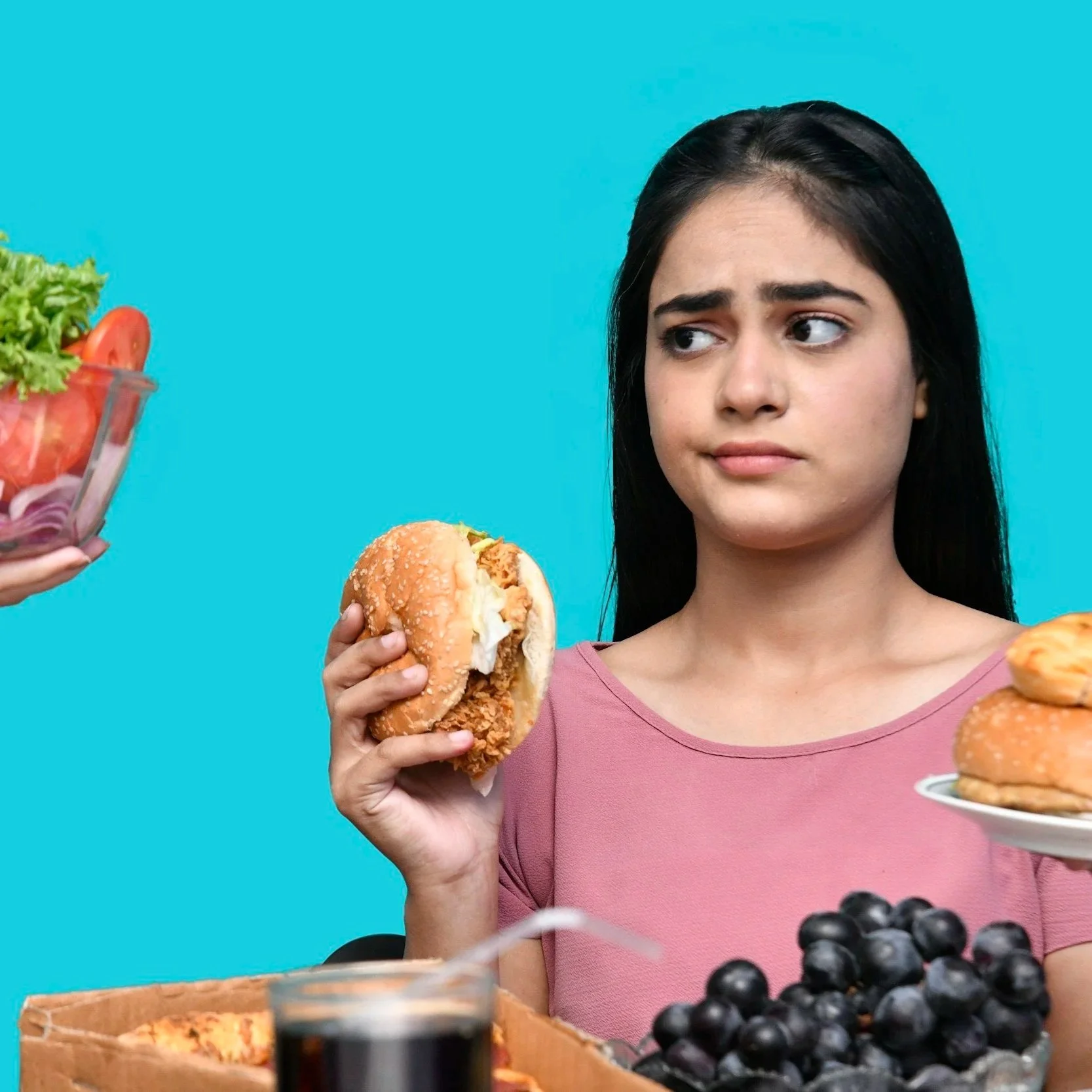
Why Eating Feels So Hard: ARFID, Sensory Overload, Trauma, Autism, ADHD, and Food Restriction
Sometimes eating feels much harder than it seems like it should.
You may know that your body needs food. You may even want to eat. Yet choosing something, preparing it, tolerating the smell or texture, and actually eating enough can feel overwhelming.
For people with ARFID, autism, ADHD, anorexia, restrictive eating disorders, trauma histories, or sensory processing differences, difficulty eating often has little to do with motivation. Sensory overload, executive functioning, nervous system activation, past experiences with food, and the effects of restriction can all make eating harder.
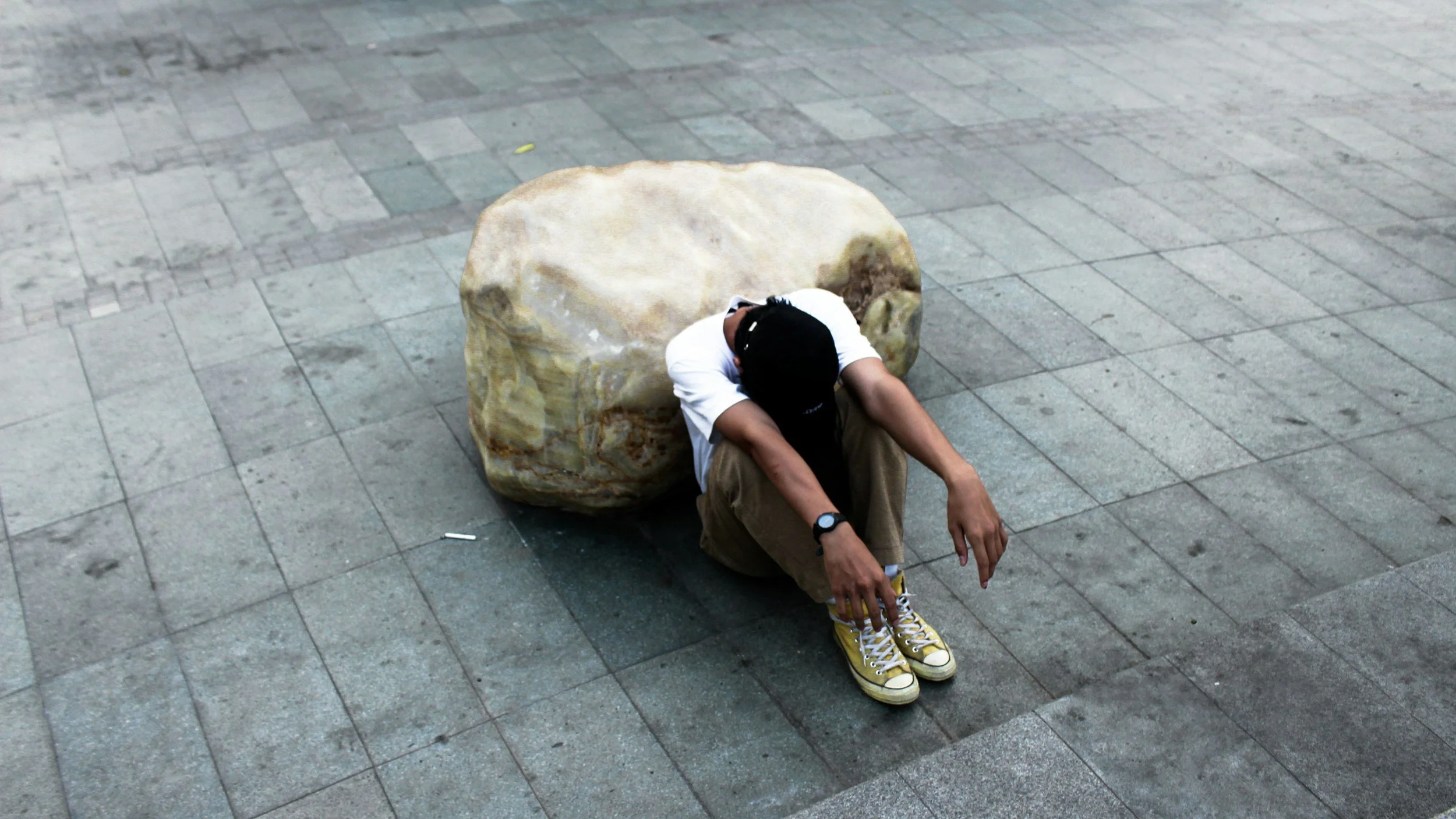
When Restrictive Eating Lasts for Years: Beyond Anorexia and the Path to Recovery
As an eating disorder therapist in San Diego, California, I've worked with people who began making meaningful progress after living with anorexia, atypical anorexia, ARFID, or another restrictive eating disorder for decades. Recovery didn't happen overnight, but it happened. They found more flexibility, more freedom, and a life that gradually became bigger than the eating disorder.
If you've been living with long-term restrictive eating, you are not alone. More importantly, you are not beyond help.

ARFID and PDA: Why Pressure Makes Eating Harder for Autistic and ADHD People
If you've ever wondered why someone seems to eat less the harder you encourage them to eat, you're not alone. Many parents, partners, teachers, and healthcare providers assume that more encouragement, reminders, or expectations will help someone with ARFID expand their eating. Unfortunately, when someone has ARFID and PDA, the opposite often happens.
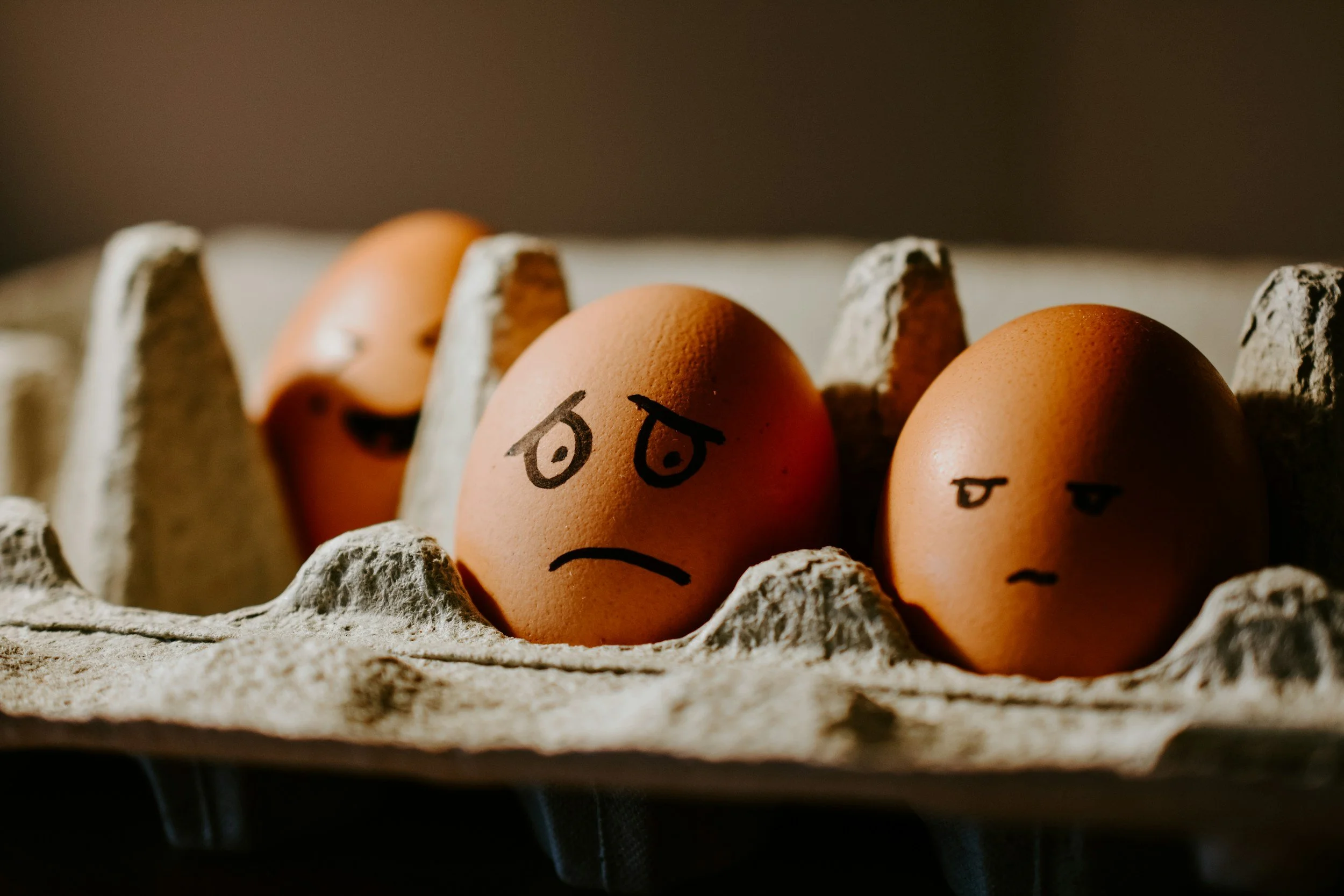
Why Letting Go of Restriction Feels Unsafe in Eating Disorder Recovery
Letting go of food restriction is often framed as a step forward in eating disorder recovery. But for many people with eating disorders in San Diego, Los Angeles, San Francisco, and elsewhere, it doesn’t feel like freedom. It feels like fear.
If you’ve been told to “just eat more” or to “stop being so rigid,” but your nervous system screams unsafe, this post is for you. There’s a reason this step feels so hard. It’s not a lack of willpower. It’s about survival.