
DR MARIANNE MILLER
CARING EATING DISORDER TREATMENT IN SAN DIEGO AND THROUGHOUT CALIFORNIA, TEXAS, AND WASHINGTON D.C. FOR ADULTS & TEENS
How ARFID Traits Can Show Up in Recovery From Anorexia, Bulimia, and Binge Eating Disorder
When people hear the term ARFID—Avoidant/Restrictive Food Intake Disorder—they often think of children with extreme food aversions. But here’s something less talked about:
👉 ARFID traits can show up during recovery from anorexia, bulimia, and binge eating disorder.
If you’ve ever felt stuck with food fears, sensory overwhelm, or uncertainty about what’s “safe” to eat—even after doing a ton of recovery work—you’re not alone. These may not be lingering eating disorder behaviors. They could be ARFID traits that were always there, just hidden.
Let’s explore why this happens, how to recognize it, and what supportive, neurodivergent-affirming recovery can look like. 💛
Five Details on Dodging Depression in Eating Disorder Recovery
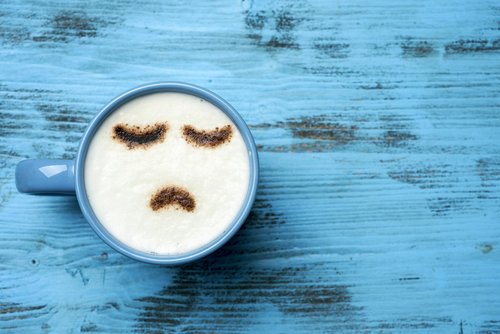
Struggling with getting out of bed in the morning? Crying a lot and feeling lethargic? Struggling with finding pleasure in activities that you used to love? You may be suffering from clinical depression. The sun can be bright, and the palm trees swaying in the wind as you go about your life in San Diego, but you still feel sad. It can really, really suck—especially when you’re recovering from an eating disorder.
Depression is very typical in people with eating disorders. It is a common co-occurring or co-morbid mental disorder in individuals struggling with anorexia (AN), bulimia (BN), binge eating disorder (BED), and other specified feeding or eating disorders (OSFED). Having depression when you’re living in such a stunning location like San Diego can be especially challenging, as the disparity between what you’re feeling and the “beautiful life” others seem to be living can be hard to bear.

Tap into Your Creativity in Eating Disorder Recovery: Meet Artist Jennifer Shiman
Looking for new ways to practice self-care in your eating disorder recovery? Feeling like you aren’t really creative, but need a new outlet to help process your emotions this summer in San Diego and elsewhere? Art and creativity can be a key component to eating disorder recovery, but often we feel as though we aren’t “talented enough” to engage in it. Well, I want to let you know that you don’t have to be super-talented to be creative (take it from me, as I draw stick figures!)—EVERYONE has a creative process!!! I’ve interviewed artist Jennifer Shiman who believes just that. She also happens to be my fantabulous sister-in-law (I’m sooooooo lucky to have her in the family!). One thing I really appreciate about Jennifer is that she really ties the creative process to being authentic and practicing self-care, which is a vital component of eating disorder recovery! I’m so happy that you’ll get to know more about her awesomeness.

"My Eating Disorder Recovery Story": Get to Know Author and Advocate Shannon Kopp
Hi everyone! I first met author and advocate Shannon Kopp several years ago, when she was working in the eating disorder field in San Diego. I vividly remember having lunch at Panera, and I felt an instant connection with her. She was so AUTHENTIC and open and honest about her eating disorder recovery story. It impressed me so much. Shannon shared how she felt so passionate about helping people recover from eating disorders. At that time, she was working on writing a book on her recovery, and she published it a couple of years later—it’s called Pound for Pound: The Story of One Woman’s Recovery and the Shelter Dogs Who Loved Her Back to Life. it’s truly inspiring. Since that time, Shannon has also started a nonprofit organization called SoulPaws Recovery that does a lot of awesome work, especially in San Diego. She is also a National Recovery Advocate for Eating Recovery Center. I’m excited for you to get to know Shannon!